The science of sleep and dreams
What researchers actually know about sleep, dreaming and the strange states in between — no mysticism, no invented numbers.
How sleep works
Why we sleep — what the research shows
Why an animal would give up a third of its life: the leading explanations for sleep, what deprivation research established, and how much adults need.
Sleep cycles: the architecture of one night
How a night of sleep is built: stages N1, N2 and N3 plus REM, cycles of roughly 90 minutes, and why the longest dream comes just before the alarm.
REM sleep: the stage dreams come from
What REM sleep is, how Aserinsky and Kleitman discovered it in 1953, why the body is paralysed during it, and why dreaming is not exclusive to REM.
Deep sleep: what slow-wave sleep is for
N3 slow-wave sleep explained: delta waves, why it is the hardest stage to wake from, its role in memory and repair, and why it declines with age.
What the brain does while you sleep
Hippocampal replay, synaptic downscaling and glymphatic clearance: what research says the sleeping brain is busy with, and where the evidence is still thin.
The circadian rhythm: your internal clock
How the body's roughly 24-hour internal clock works, why light sets it, what chronotype really means, and why social jetlag is more than a metaphor.
Melatonin: the darkness signal, not a sedative
What melatonin actually does: a hormone that tells the body what time it is rather than forcing sleep, why light suppresses it, and why rules differ by country.
Sleep debt: can you catch up at the weekend?
What accumulated sleep loss does to attention and reaction time, how much recovery sleep actually restores, and why regularity beats heroic catch-up.
Dream science
Why we dream: the main scientific theories
There is no single accepted scientific explanation for dreaming. A map of the four main families of theory — and why they are not mutually exclusive.
Activation–synthesis: what Hobson really said
Hobson and McCarley's 1977 model of dreaming, why the popular summary that dreams are random noise is wrong, and what protoconsciousness means.
Threat simulation: dreams as danger rehearsal
Antti Revonsuo's proposal that dreaming evolved to rehearse threats, the evidence from dream content, and the criticisms the theory has to answer.
Sleep and memory: what happens overnight
How sleep consolidates declarative and procedural memory, what targeted memory reactivation showed, and the maze study linking dreaming to better learning.
The continuity hypothesis: dreams and daily life
Decades of dream content analysis show most dreams are about the dreamer's ordinary concerns. What the continuity hypothesis explains — and what it does not.
The most common dreams people report
Being chased, falling, exams, teeth falling out, flying, being naked in public: what typical-dream surveys find, and why the same list appears worldwide.
Why we forget dreams so quickly
Dreams evaporate within seconds of waking. The neurochemistry of REM, why waking during a dream matters, and why some people recall far more than others.
Do dreams have meaning? What science says
There is no scientific support for a universal symbol dictionary — but dream content does track waking concerns. An honest account of what research shows.
Precognitive dreams: why they feel so real
No reliable evidence supports dreams predicting the future — but the experience is genuinely convincing. The statistics and memory effects that explain why.
Unusual states
Lucid dreaming: knowing you are dreaming
How lucid dreaming was proved in the laboratory with eye-movement signals, how common it is, what induction methods actually show, and two-way communication.
Sleep paralysis: awake and unable to move
Why REM muscle paralysis sometimes persists into waking, the hallucinations that accompany it, how common it is, and the folklore built around it.
Nightmares: why bad dreams wake you up
What distinguishes a nightmare from other frightening night experiences, when frequent nightmares become a disorder, and the treatment with the best support.
Night terrors: not the same as nightmares
Night terrors arise from deep non-REM sleep, mostly in children, and are not remembered afterwards. How they differ from nightmares and what to do.
Hypnagogia: the images at the edge of sleep
The fragmentary images, sounds and jerks that arrive as you fall asleep, why the day's activity shapes them, and how hypnagogic differs from hypnopompic.
False awakening: dreaming that you woke up
The dream in which you get up, make coffee and start your day — and then actually wake. Why it repeats, how it relates to lucid dreams, and what helps.
Sleepwalking is not acting out a dream
Sleepwalking comes from deep non-REM sleep, not from dreams. What actually triggers it, and why acting out dreams is a different condition entirely.
Recurring dreams: the same dream for years
Most adults have had one. What research says about recurring dreams: their negative skew, their link to unresolved stress, and why they tend to fade.
Dreams and daily life

Dreams and emotions: is sleep overnight therapy?
The proposal that REM sleep strips the charge from emotional memories, the neurochemistry behind it, and the studies that point the other way.
Stress and dreams: how pressure shows up at night
Waking stress tracks reliably with more negative dreams and more nightmares — a pattern confirmed at population scale during the 2020 pandemic.
Alcohol, caffeine and strange dreams at 4am
Why a nightcap produces vivid fragmented dreams in the second half of the night, how caffeine's long half-life eats into deep sleep, and what REM rebound is.
Screens before sleep: what is solid, what is not
Evening light does shift your body clock — but the blue-light story and night-mode filters are weaker than the headlines. What the evidence actually supports.

Dreams and creativity — and a myth check
Loewi's experiment, McCartney's melody, Mary Shelley's waking dream: which famous dream discoveries are documented, which are disputed, and which are myth.
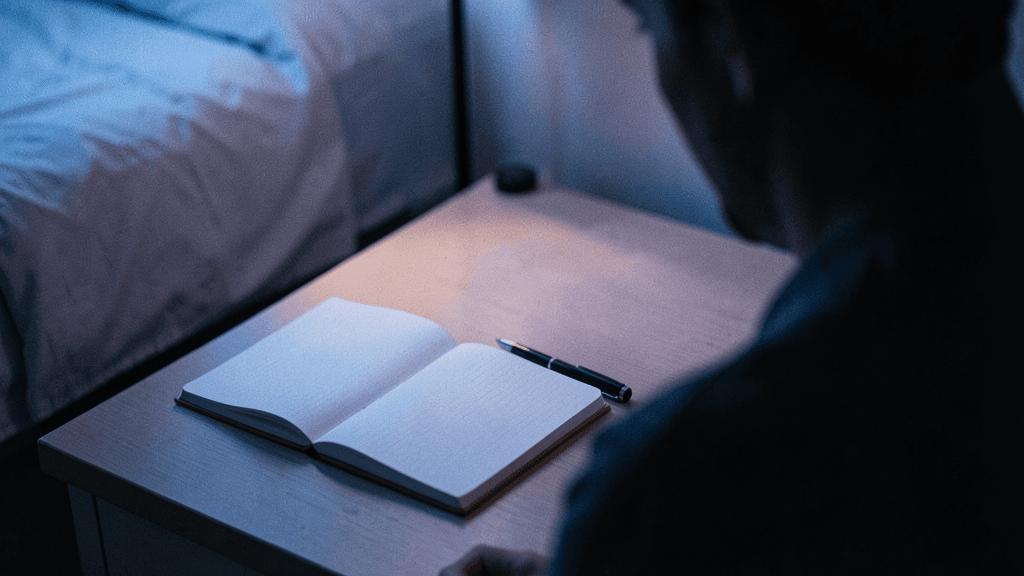
How to remember your dreams: what works
Dream recall is trainable. What the research supports: intention before sleep, staying still on waking, writing immediately, and keeping a journal.
When dreams are a health signal, not a curiosity
Frequent nightmares, acting out dreams, apnea and fever dreams: the sleep and dream patterns that are worth raising with a doctor rather than interpreting.
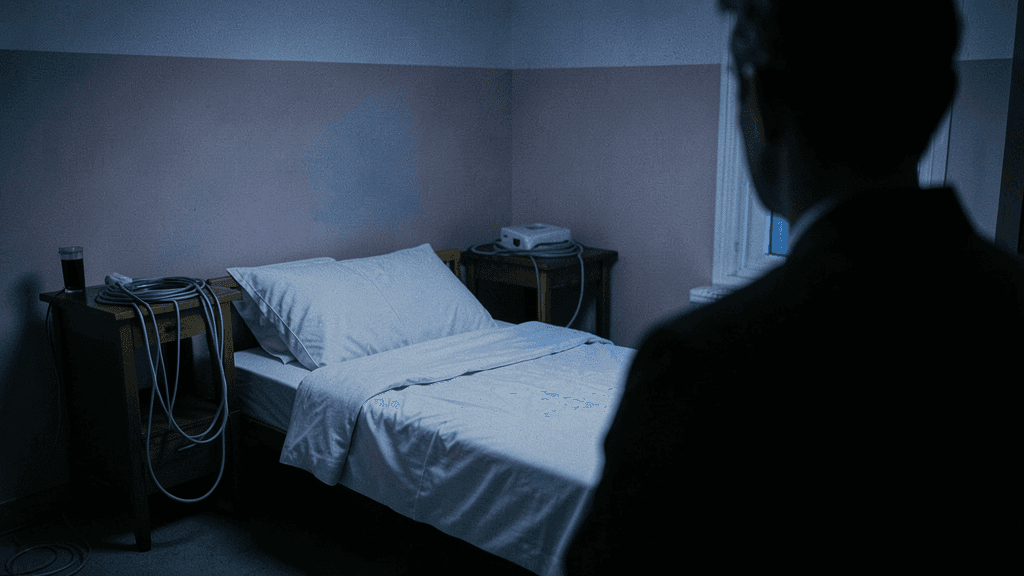
How dreams are studied in the laboratory
Polysomnography, planned awakenings, content coding, and modern work on the posterior hot zone and fMRI dream decoding — plus the limits of all of it.
Advertisement